

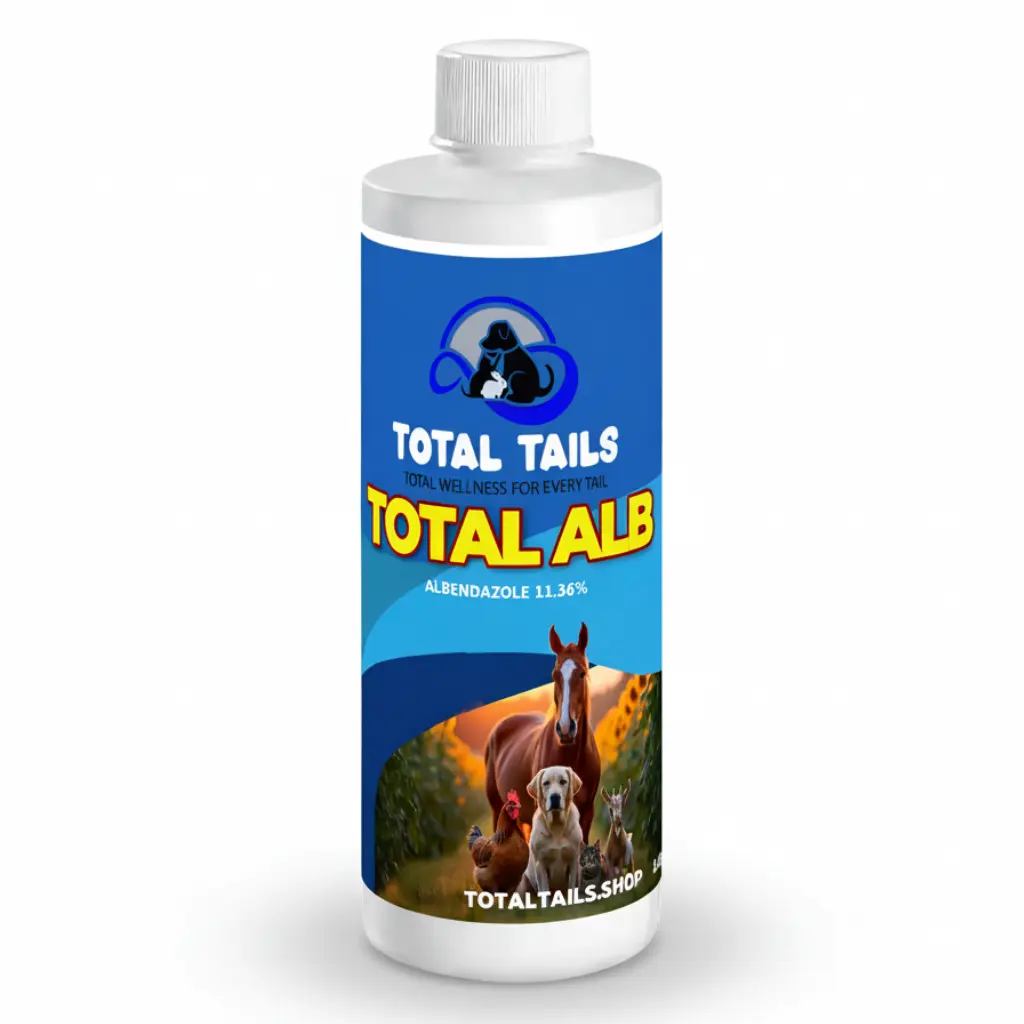
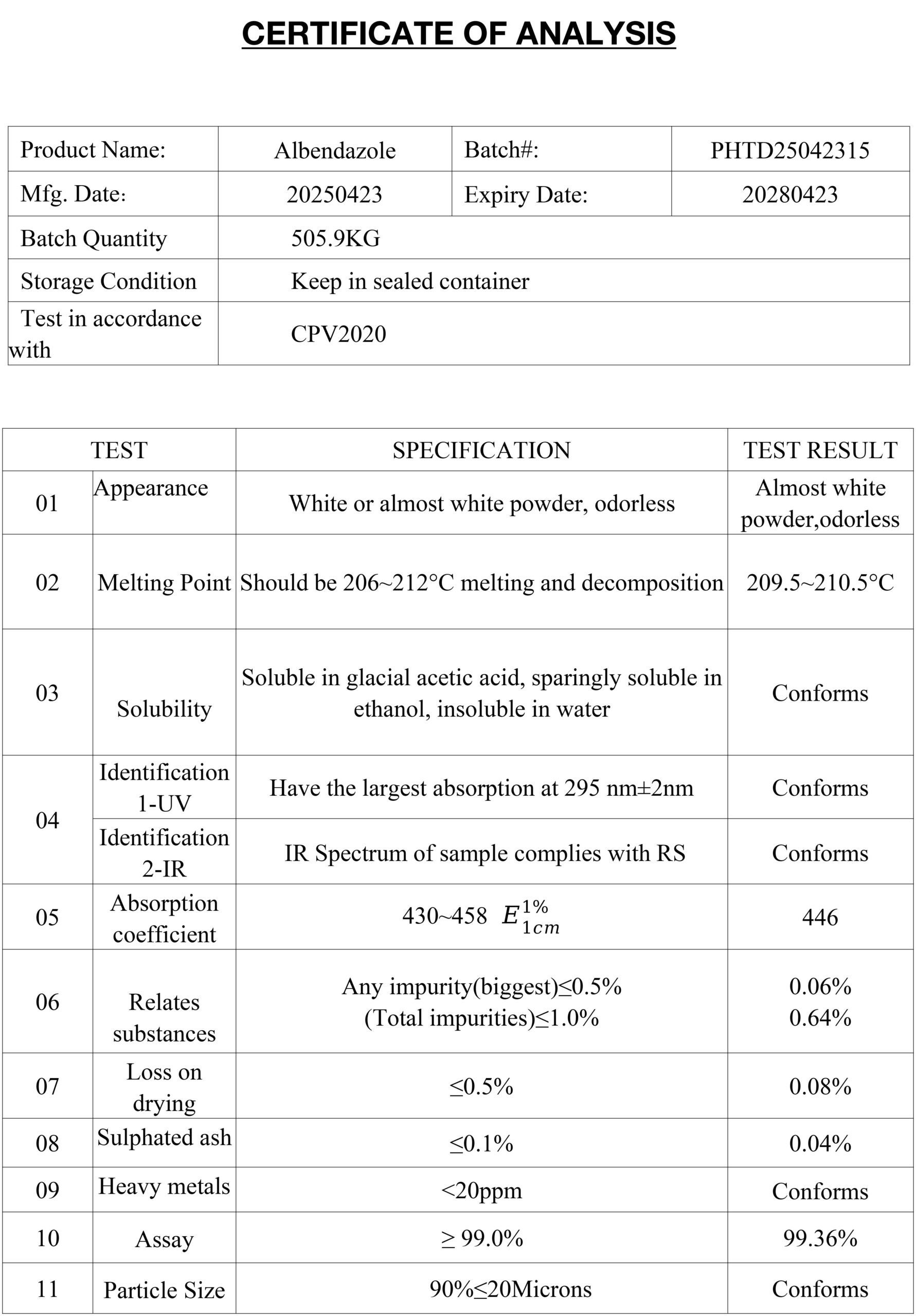
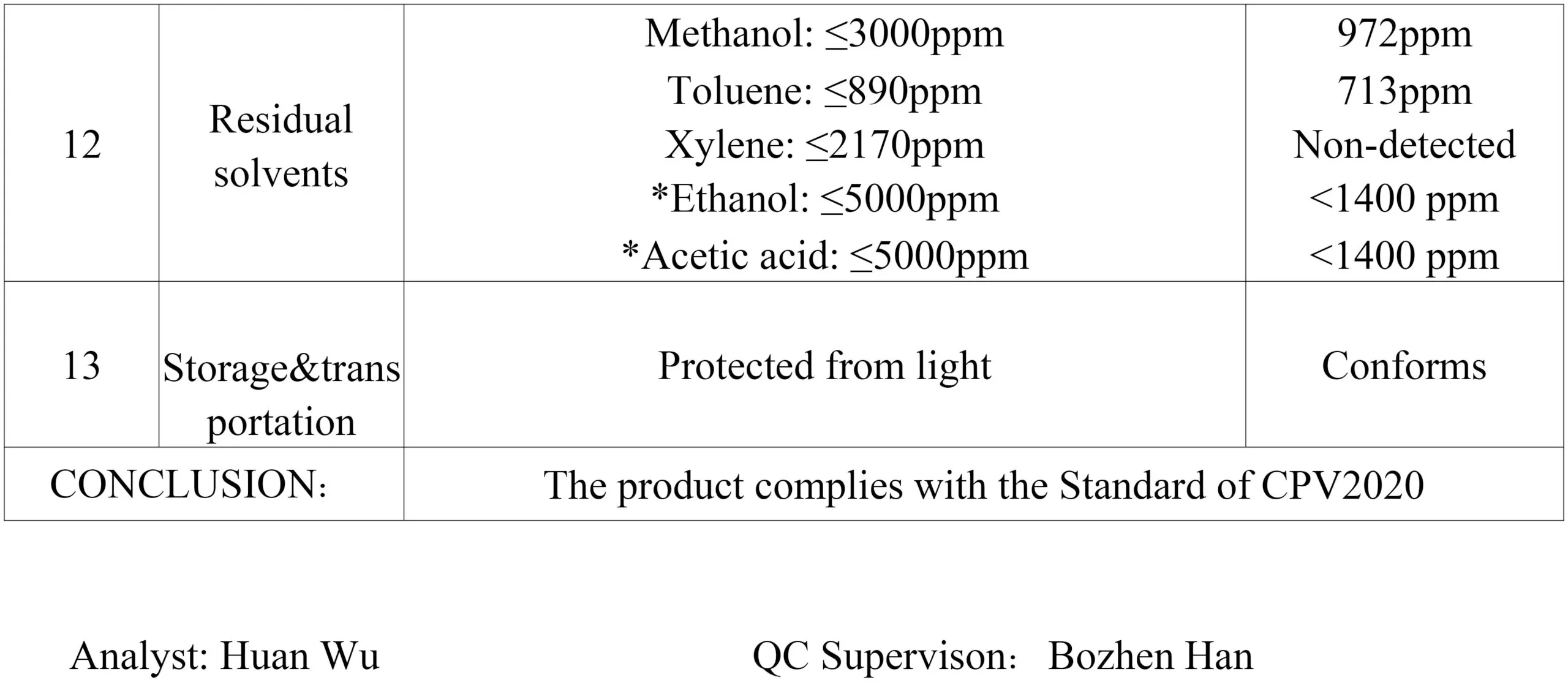
Albendazole 11.36% Liquid Solution for Alpacas
Albendazole 11.36% Oral Suspension (113.6 mg/mL) is a broad-spectrum benzimidazole dewormer used in camelids for treatment of susceptible internal parasites. When administered at accurate weight-based dosing, it helps reduce worm burdens that interfere with growth, fiber production, and overall health.
Because camelids metabolize certain medications differently from other livestock, accurate dosing and veterinary oversight are essential.
What It’s Used For in Alpacas
Albendazole is used for the treatment of susceptible:
- Gastrointestinal roundworms
- Lungworms
- Tapeworms
- Adult liver flukes
It is typically administered when fecal testing or clinical signs indicate internal parasite burden.
Symptoms of Parasitic Infection in Alpacas
Internal parasites may cause:
- Weight loss despite normal appetite
- Poor body condition
- Dull or rough fleece
- Diarrhea
- Reduced energy or lethargy
- Pale mucous membranes (anemia)
- Bottle jaw (fluid swelling under the jaw)
Strategic parasite control supports improved condition and herd productivity.
Dosage and Administration
Active Ingredient Strength
Albendazole 11.36%
= 113.6 mg per mL
Standard Treatment Dose (Alpacas)
Camelids are commonly dosed at:
10 mg per kg of body weight
= 4.54 mg per lb
113.6 mg/mL concentration:
4.54 ÷ 113.6 = 0.04 mL per lb
Final Practical Dose:
Administer 0.04 mL per lb of body weight as a single oral dose.
Example Dosing Chart
| Alpaca Weight | Dose |
|---|---|
| 75 lb | 3 mL |
| 100 lb | 4 mL |
| 125 lb | 5 mL |
| 150 lb | 6 mL |
| 200 lb | 8 mL |
Administer orally using a calibrated drench syringe.
Accurate weight estimation is critical.
Dosage Frequency
-
A single oral dose is the standard treatment.
-
In heavy infestations, fecal re-evaluation and veterinary-guided repeat dosing (often 14–21 days later) may be considered.
-
Routine frequent deworming (e.g., every 6–8 weeks) without fecal monitoring is not recommended due to resistance concerns.
Treatment Duration
Single administration per treatment cycle unless otherwise directed by a veterinarian.
Breeding & Young Animal Guidance
- Avoid use during early pregnancy unless specifically directed by a veterinarian.
- Use in young crias should only be done under veterinary supervision to ensure accurate dosing.
Available Sizes
- 4 oz – Small herds or individual alpacas
- 8 oz – Moderate herd management
- 32 oz – Larger alpaca farms
- ½ Gallon – Frequent treatment programs
- 1 Gallon – Commercial-scale operations
Choose size based on herd size and deworming schedule.
Storage Instructions
- Store in a cool, dry place away from direct sunlight.
- Do not freeze.
- Keep the bottle tightly sealed when not in use.
FAQs
How does Albendazole work in alpacas?
Albendazole interferes with parasite energy metabolism, reducing their ability to survive within the host.
Is it safe for young alpacas (crias)?
Use in young animals should be performed only under veterinary supervision to ensure proper weight-based dosing and safety.
Is it safe for pregnant alpacas?
Avoid use during early pregnancy unless directed by a veterinarian.
How often should alpacas be dewormed?
Strategic parasite control based on fecal testing is recommended rather than routine, frequent blanket deworming.
How soon will I see improvement?
Reduction in parasite burden begins shortly after dosing. Visible improvement in condition depends on the severity of infestation and overall herd health.
Veterinary References Cross-Checked
Dosing and usage aligned with established veterinary pharmacology and camelid parasite management references, including:
- Merck Veterinary Manual – Albendazole (food animal dosing guidance)
- FARAD (Food Animal Residue Avoidance Databank)
- University extension publications on small ruminant and camelid parasite control
- Veterinary parasitology references on benzimidazole dosing in camelids
FOR RESEARCH USE ONLY:
NOT FOR HUMAN OR VETERINARY DIAGNOSTIC OR THERAPEUTIC USE. ALL PRODUCTS SOLD BY TOLTRAZURILSHOP ARE FOR RESEARCH PURPOSES ONLY.
DISCLAIMER:
THE STATEMENTS MADE ABOUT THIS PRODUCT HAVE NOT BEEN EVALUATED BY THE FOOD AND DRUG ADMINISTRATION. THIS PRODUCT IS NOT INTENDED TO DIAGNOSE, TREAT, CURE, OR PREVENT ANY DISEASE. ALWAYS CONSULT A VETERINARIAN BEFORE ADMINISTERING ANY PRODUCTS.

Reviews
There are no reviews yet.